
The Veterinary Technology Blog
The VetTechColleges.com staff publishes information related to vet tech education and certification, going “behind the scenes” to give you deeper insight into your educational options. You’ll find detailed descriptions of potential career paths, internship opportunities, emerging veterinary technologies, and profiles of leading professors and institutions in the space.

First begun in 1993 by a NAVTA resolution, Vet Tech Appreciation Week exists to enlighten the public about veterinary technicians and explore the field in greater detail. Established in the third week of every October, the appreciation week spotlights the profession and shows gratitude to those special vet techs in our life. This gift-giving guide for vet techs offers options for thoughtful, fun, and useful gifts.
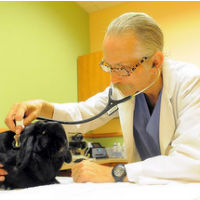
Just because you have seen every episode of Swamp People or know more about calling ducks that the guys on Duck Dynasty doesn’t mean that you would be a good veterinary assistant. True, it is helpful to have a background dealing with animals, but there are many other considerations when deciding to make veterinary assistance your lifetime career.

With the anticipated growth of the pet care industry, veterinarians will need more qualified technicians and technologists to perform tests, prepare vaccines, prep tissue samples, take blood samples, clean instruments, maintain equipment, and assist vets during surgery.

Vet tech candidates preparing for interviews may have an advantage if they are familiar with the questions they may be asked. This collection of questions—some common and others less so—along with possible answers, were all shared by past and present vet techs.

Assistance dogs take loyal companionship to a professional level. Trained to perform specific tasks that mitigate a person’s disability, these canine volunteers play a crucial role in the lives of the people they serve.
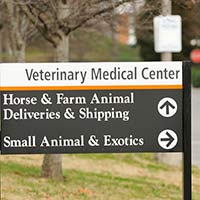
Think that all veterinary teaching hospitals are alike? Think again! This list of 15 great veterinary teaching hospitals includes schools that specialize in multiple services, treatment of many different types of animals and even outreach into the community.

To prepare in the event of a natural or man-made disaster, Ready advises having emergency kits on hand not only for the human members of your family but for your pets, too.

Whether you are a veterinarian or vet tech in training, or simply a pet owner who wants to stay up on the latest in animal care news, reading blogs is one of the easiest ways to do it. Because blogs are updated regularly they can take a more nuanced and informative approach to animal care issues. The blogs included in this list are among the best—at times educational, heartwarming, personal, and funny.

A degree in animal behavior can give aspiring animal psychologists the opportunity to explore many things of interest about animals: how they avoid predators, choose their mates, find their food, and reproduce and care for their young.

Although animals were purely functional for much of human existence, now they play a huge part in our social and emotional well-being. Instead of just being animals we keep for safety and transportation, animals have become like family members to many.
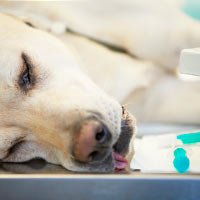
Veterinary technician anesthetists—also called vet tech specialists in anesthesia (VTSA)—occupy a growing specialty in animal healthcare careers as more people invest in life-saving surgeries and procedures for animals.

Established by Congress in 1961, its goal is to raise awareness, reduce unintentional poisonings, and promote poison prevention. Poison prevention is particularly important when it comes to our animal companions: in addition to the dangers of stray medications and household cleaners, several substances which are non-harmful to humans pose a significant threat to pets.

Pet dental care is as important (and should be as routine) as dental care in people. Both cats and dogs face many of the same dental issues that people face, including periodontal disease, broken teeth, and gingivitis. To help keep pets healthy experts are working hard to change the way pet owners think about dental health.

Clinical obesity in pets can lead to a series of secondary health concerns, and contribute to a reduced quality of life and a shorter life expectancy. For humans and dogs alike, regular exercise, along with a healthy diet, is the answer. But the responsibility rests primarily on dogs’ human companions to set up healthy habits that both can enjoy and benefit from. And veterinary technicians, veterinary assistants, and other veterinary professionals can play a vital role in helping those pet lovers keep their pets happy and healthy.

About three million cats and three million dogs go into U.S. shelters each year; however, 71 percent of these cats are euthanized as opposed to 56 percent of dogs. This amounts to the euthanization of about 850,000 cats annually.