
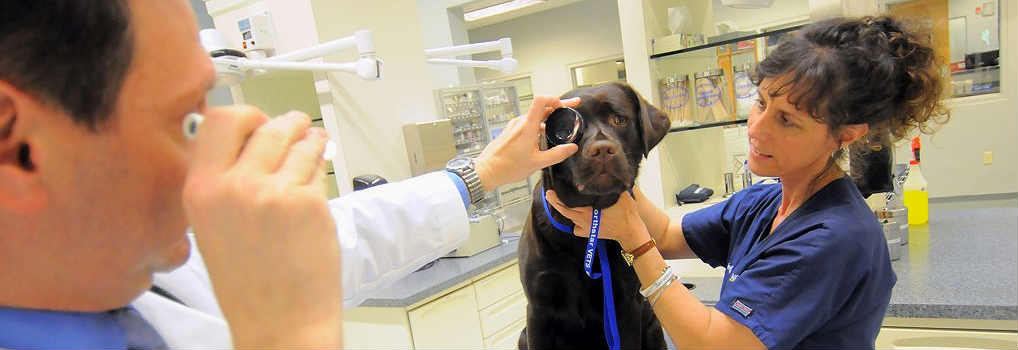
“Thirty-five years ago, I was in surgery, eating a sandwich while monitoring anesthesia because we didn’t take lunch breaks, and I didn’t know any better. We know better now, and we need to be teaching that to our students.”
Jennifer Serling, MVEd, Director of the Veterinary Technology BS Program, Appalachian State University, President of NAVTA
Veterinary technology is growing at three times the national average (3 percent). The Bureau of Labor Statistics (2025) reported approximately 134,200 veterinary technologists and technicians. Employment in the field is projected to grow 9 percent nationally between 2024 and 2034—the latest data available as of June 2026.
Each year, roughly 5,000 students graduate from one of the more than 200 AVMA-accredited veterinary technology programs across the United States, each of them required to demonstrate competency in over 300 essential skills before earning their degree.
And yet, despite the rigorous training and the clear demand, the profession is losing people at an alarming rate. A 2023 NAVTA demographic survey found that 70 percent of veterinary technicians reported experiencing burnout, and 65 percent cited compassion fatigue as the most frequent well-being issue they faced. The average career length before a technician leaves the field is just five to seven years.The reasons are complicated, but they often trace back to the same root causes: feeling undervalued, underutilized, and underprepared for the job’s emotional and mental demands.
Jennifer Serling knows this story well. A credentialed technician since 1992, she has spent more than three decades in the field, moving from general practice and large-animal ambulatory work to academia, where she has dedicated herself to training the next generation of vet techs. She currently serves as director of the veterinary technology bachelor’s of science program at Appalachian State University and as president of the National Association of Veterinary Technicians in America (NAVTA).
Serling has seen the profession evolve and the same struggles resurface year after year. Still, she has never considered walking away: “I’ve been doing this 35-plus years,” she shares. “I love it. I wouldn’t be in it for three decades if I didn’t. I want everybody to understand what an amazing lifelong profession this can be.”
That is exactly what she is working toward. Keep reading to learn what Serling wishes students knew before entering the field and what the profession is doing to ensure the next generation of vet techs is set up to thrive.
Meet The Expert: Jennifer Serling, MVEd, BVSc, CVT, RVT, VTES, FVTE
Jennifer Serling is the director of the veterinary technology bachelor’s of science program at Appalachian State University, where she leads curriculum development and prepares students for careers in clinical and specialty veterinary practice.
A credentialed veterinary technician since 1992 and a specialist in emergency and critical care, she is also president of the National Association of Veterinary Technicians in America (NAVTA), where she helps guide national efforts to advance veterinary nursing through advocacy, education, and professional standards.
What Students Get Wrong Before They Start
It is no secret that most people drawn to veterinary technology share a deep love of animals. But according to Serling, love can also create significant blind spots when entering the profession. Many students arrive expecting a job that looks very different from the one they will actually have.
“A lot of students get into this thinking it’s puppies and kittens, and we’re going to cuddle all day and be their best friends,” she says. “They don’t realize that those animals are actively trying to bite you. They get scared when you’re coming at them with a needle. It is mentally and physically taxing, and we are responsible for these patients’ lives. Students need to understand the medical aspect of the job versus the cute, cuddly portion, which is also great and amazing, but there’s also that tougher component to it.”
To help alleviate this problem, Serling teaches an introductory course at the start of her program, designed to give students an honest look at what the career actually involves before they are too far down the path. The goal is not to discourage them, but to make sure they are walking into this field with their eyes open.
The Surprising Mental Weight of the Job
Most vet tech students expect the job to be physically demanding. What tends to catch them off guard is how much the mental and emotional toll outpaces everything else. According to Serling, this is where the profession loses people.
“The hardest part of being a vet tech is probably how mentally taxing it can be at times,” she says. “That’s where we see burnout after five to seven years. It’s not necessarily the physicality of the job. It’s the mental wear of it all. And it’s not just dealing with life and death, with euthanasia and difficult clients. It is also constantly having to advocate for yourself, saying, ‘No, I can do this.’ It’s not having veterinarians fully understand our role in the profession, so that we are practicing what we were trained to do in school and being utilized at the top of our license.”
The Underutilization Problem
One of the most persistent frustrations in the field is one that Serling has been watching play out for decades. Despite progress, the gap between what vet techs are trained to do and what they are actually asked to do remains significant, and it is coming from multiple directions at once.
“I’ve been doing this 35-plus years, and the battles we’ve been fighting haven’t really changed,” she says. “It has absolutely gotten better, but there is still a gross misunderstanding of what our role is, not just within the profession itself, but also among the general public. People think that when they take their dog or cat to the vet, the vet is doing everything. They don’t realize there’s a whole team involved in that patient’s care. They think the vet is the one who takes X-rays, monitors anesthesia, gives injections, and draws blood. They just don’t understand the roles.”
That misunderstanding follows vet techs right into the exam room. “I have students who get asked by clients, ‘Oh, so you’re going to vet school?'” she explains. “No. I’m a veterinary technician, and this is a profession in and of itself. Having to defend yourself to your own clients can be difficult. And beyond that, veterinarians and hospital managers don’t always understand what veterinary technician education actually involves. They need to know what skill sets these students are coming out with and what they are capable and competent in doing, so that veterinarians can entrust those skills to their technicians and free themselves up to do the doctor stuff.”
The consequences are real. “While low pay is a factor, utilization is the number one reason technicians leave,” she warns. “They’re not being utilized to the extent that they can be, and so there’s no job satisfaction. Vet techs often ask, ‘Why should I stay when I’m just cleaning kennels all day? I should be able to do X, Y, and Z because that’s what I was trained to do.’”
Preparing for Difficult Client Interactions
The bond between a pet owner and their animal is deeply personal, which means that when something goes wrong, emotions can run extraordinarily high. Vet techs are often on the front lines of those moments.
“I think most vet tech programs do a good job preparing students for client conflict, things like conflict management, conflict resolution, and role playing on how to cope with difficult clients and how to communicate without escalating the situation,” Serling says. “But when you’re faced with an angry client in your face yelling, ‘You killed my animal,’ nothing we do in school can really prepare them for that moment. Unfortunately, that’s something you have to experience and get used to.”
The Physical Demands of the Job
Vet techs work with animals of all sizes, temperaments, and pain levels, and the physical toll of that work adds up faster than most young students anticipate. Serling has a straightforward message for students who think they can muscle through it.
“A lot of our students are in their late teens and early 20s, and I don’t think you have quite the same respect for your back at 20 as you do at 45 or 55,” she says. “Students really need to realize that their bodies are not going to be 20 years old forever. It’s okay to not lift a 70-pound dog by yourself. Get help. Or instead of physically wrestling a dog, let’s use some drugs and sedate them. You don’t need to be heroic. There are things we can do to help protect your back and knees.”
The Mindset That Makes the Difference
Not every student who enters a vet tech program will make it to the five-year mark, let alone build a long career in the field. Serling believes the difference often comes down to preparation and self-awareness before a student ever sets foot in a clinic.
“Having a good grasp of the field and really understanding what you’re getting into makes a huge difference,” she says. “The more prepared students are going in, the better, because they’re not walking in with rose-colored glasses. Students should shadow in a clinic before they even enroll in school so they really understand the value of the roles.”
She continues, “Another thing we see is students who say, ‘Oh, I’m doing vet tech, and then I’m going to vet school.’ That’s great, but look at the different roles and what they involve. Do you like diagnosing? Do you like problem-solving? Do you like doing surgery? Or do you prefer more hands-on nursing care? Because those are two very different professions.”
Self-awareness about the field is only part of it. Serling says the students who go on to thrive are also the ones who learn early how to advocate for themselves. “Being open-minded and knowing how to advocate for yourself is key. Have that internal confidence to say, ‘Hey Doc, let me do this. I’m really good at running fecals or bloodwork,” she explains. “Then when you’re in a tough situation, whether it’s a toxic client or a toxic workplace, you’re okay walking away, knowing that this is not an environment you need to be in.”
Learning to Set Boundaries
One of the most meaningful shifts in veterinary technology education over the past decade is not clinical at all. Programs are now having frank conversations with students about work-life balance, self-advocacy, and knowing when to walk away from situations that are not serving them.
“If we think about our confidence in our late teens and early 20s versus what I have now at 55, it’s vastly different,” she says. “At 19, I was not good at advocating for myself, and I was never really taught that either. I think having those open and frank conversations with students matters. The field has shifted. We are much more focused on mental health, well-being, and work-life balance than we were 30 years ago. We have to train students that you don’t stay where you’re not appreciated, you absolutely walk away from bad situations, you should be taking lunch breaks and taking your PTO, and not feel guilty about it.”
She speaks from experience. “Thirty-five years ago, I was in surgery, eating a sandwich while monitoring anesthesia because we didn’t take lunch breaks and I didn’t know any better,” she shares. “We know better now, and we need to be teaching that to our students.”
What the Field Is Getting Right
For all of the challenges that remain, Serling is careful to note that the profession is not standing still. She has watched clinics shift their culture in meaningful ways, and she believes that change is accelerating.
“Overall, I do see progress,” she says. “The profession has changed. You’re not working through lunch hours, coming in early, and staying late. That’s just not the norm anymore. There is a balance for the entire team. You’re scheduling lunch breaks. The mindset has shifted because you’re going to get better outcomes from the entire team if you set those boundaries and utilize everybody to the top of their license.”
Advice for Aspiring Vet Techs
When asked what she would tell her younger self, Serling does not hesitate. “Be confident in advocating for yourself, and know it’s okay to say no. It’s okay to walk away from a bad situation, whether it be an individual or a workplace,” she says. “Have that confidence to walk away from things that are not good for you.”
And for those considering the profession, she wants them to understand what they are walking into and what they are walking toward. “Vet techs are the front line of patient care,” she shares. “We’re the eyes and ears of the veterinarians. We’re the advocates for our patients, the voices for those who don’t have a voice. And I think that’s a really important and amazing gift. I wish people could realize how caring we are, and that we’re not in this for the money. We’re in this because we truly love what we’re doing. We love nursing patients. We love seeing them go home to their families, happy and healthy. That’s everything to us.”
After more than three decades in the field, that sense of purpose has kept Serling going and what she hopes to pass on. “I want everybody to understand what an amazing lifelong profession this can be,” she says. “That’s the gift I try to leave my students, and as president of NAVTA, that’s what I try to do. Leave this profession a better place than when I came into it.”